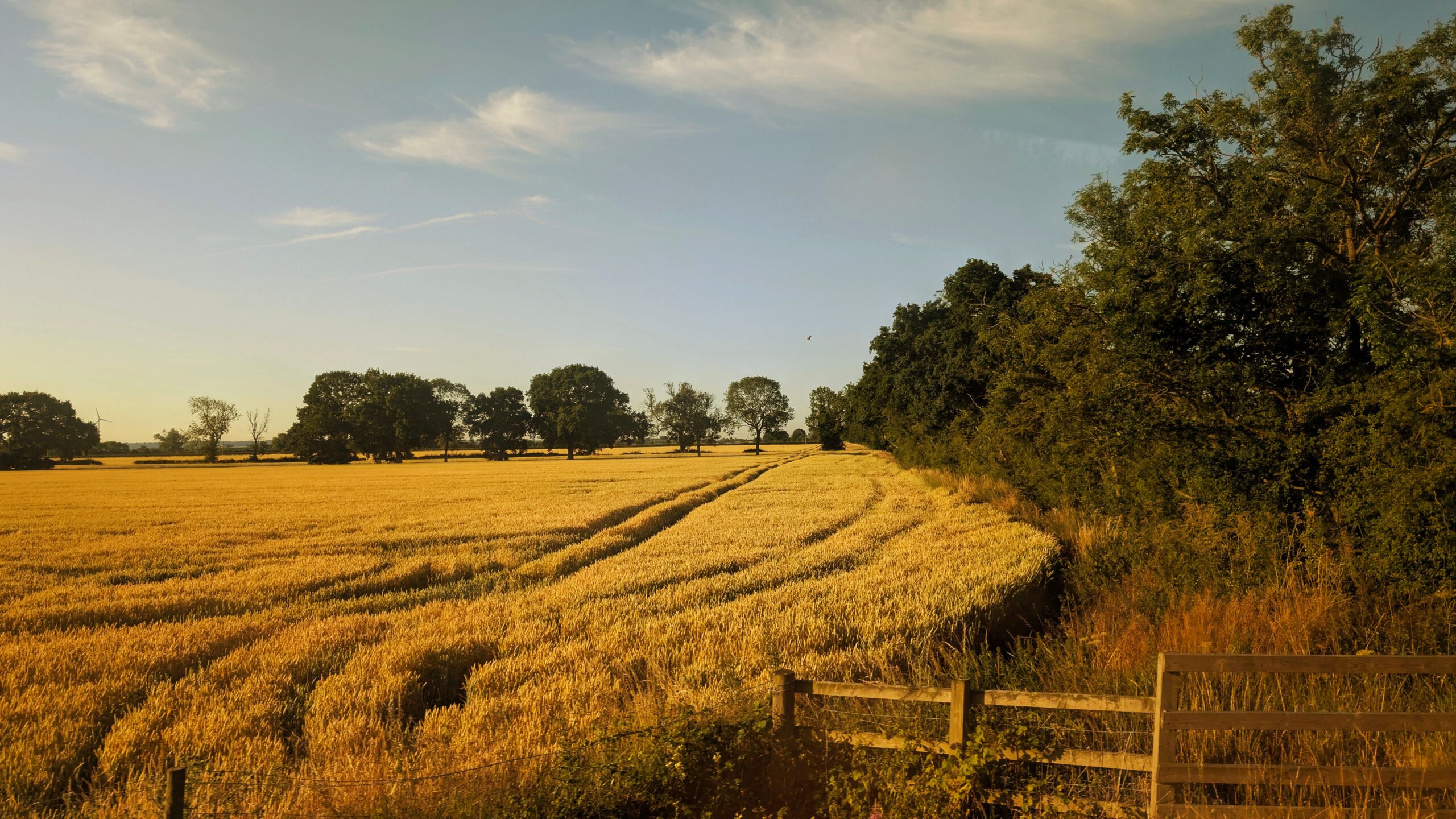
Trees are increasingly being recognised as an important component of modern farm management, offering opportunities to improve environmental performance, strengthen business resilience and diversify income. Rather than viewing tree planting as a competing land use, farmers can incorporate trees into existing agricultural systems in ways that support food production while delivering wider benefits.
With increasing pressure on farm profitability, unpredictable weather patterns and the need to manage natural resources sustainably, integrating trees into farm businesses could provide a valuable long-term investment.
Agroforestry
Agroforestry involves incorporating trees and shrubs into agricultural land while maintaining productive farming activities. Depending on the holding, this could involve planting rows of trees within arable fields, introducing trees into livestock grazing areas or establishing shelterbelts around field boundaries.
For livestock farmers, trees can provide valuable shade during hot weather and shelter from wind and rain. This may improve animal comfort and reduce exposure to extreme temperatures. Certain tree species can also provide browse, offering an additional source of forage where appropriately managed.
On arable farms, strategically positioned trees can reduce wind speeds, protect vulnerable soils and contribute to a more varied landscape. Trees and associated vegetation may also provide habitats for pollinators and natural predators of agricultural pests.
The success of agroforestry is dependent on careful planning. Species selection, spacing and positioning must reflect the farm’s soils, climate, machinery requirements and existing production system. Poorly positioned trees can compete with crops for light, water and nutrients, whereas a well designed scheme can complement agricultural operations.
Less Productive Land
Not every field delivers the same agricultural return. Steep slopes, poorly draining ground, awkward field corners and areas prone to erosion can be difficult to farm efficiently. In some circumstances, woodland creation may offer a more suitable long-term use for these areas.
Establishing woodland on selected parcels can help reduce soil loss, slow surface water movement and create habitats that connect existing hedgerows and woodland. Planting trees alongside watercourses can also help intercept sediment and nutrients before they enter rivers and streams.
Smaller planting schemes can be just as relevant as larger woodland projects. Field margins, riparian buffers, shelterbelts and small blocks of woodland can deliver practical benefits without requiring a complete change in the farm’s overall land use.
However, taking land out of agricultural production must be considered carefully. Comparing potential grant payments and future woodland income against lost agricultural output, establishment costs, and maintenance requirements is essential when considering the long-term implications for the holding.
A whole-farm assessment can help identify where trees are likely to provide the greatest benefit while protecting the productive capacity of the business.
Diversification and Long-Term Income
Trees can create opportunities to diversify farm income, although the financial returns will depend on the type of planting, its location and the market available.
Potential income sources include timber, wood fuel, fruit and nuts, alongside eligible environmental payments and certain recreational or tourism activities. Existing woodland may also offer opportunities to improve timber production or generate usable wood fuel through appropriate management.
Carbon and other natural capital markets may provide additional possibilities, but these should not be treated as guaranteed sources of income. Eligibility criteria, contractual obligations, verification requirements and long-term commitments need to be understood before entering an agreement and advice should be sought.
For many farm businesses, the financial case for planting trees will therefore involve a combination of direct income, reduced exposure to weather-related losses and improvements to the wider farming system.
Government support can also help reduce the initial financial barrier. The England Woodland Creation Offer (EWCO) provides support towards establishing eligible new woodland, with additional contributions potentially available for projects delivering wider environmental benefits. Funding rates and eligibility depend on the scheme requirements and individual application.
Managing Existing Woodland
Planting new trees is only one part of the opportunity. Many farms already contain woodland that may not have been actively managed for several years.
Bringing existing woodland into suitable management can improve its condition, encourage a greater variety of habitats and help address problems associated with overcrowding, poor regeneration or tree health. Depending on the woodland type and its objectives, management may include selective thinning, coppicing, maintaining rides and glades, controlling invasive species or establishing new trees where regeneration is insufficient.
Active management can also help woodland remain resilient to pests, diseases and changing climatic conditions. However, interventions must reflect the characteristics of the site, particularly where ancient woodland, protected species or other important environmental features are present.
A woodland management plan provides a structured way to identify priorities, schedule work and consider potential income alongside conservation objectives. Financial assistance may be available to support the preparation and implementation of eligible plans.
For landowners, reviewing existing woodland is a useful first step before committing to further planting, particularly where established trees have the potential to provide environmental or commercial value.
Planning for Climate Resilience
One of the most important reasons to consider trees is their potential contribution to climate resilience. UK agriculture is increasingly exposed to periods of heavy rainfall, drought, heat and changing seasonal conditions, all of which can affect crop performance, livestock welfare and soil management.
Trees can help moderate local conditions by providing shelter, shading the ground and influencing how water moves through the landscape. Their roots can contribute to soil stability, while fallen leaves and other organic material can support soil structure and nutrient cycling.
Woodland and agroforestry systems also store carbon in vegetation and soils, although the amount stored varies considerably according to tree species, soil conditions, management and the age of the planting.
Whilst trees cannot eliminate the effects of extreme weather, and poorly designed schemes may create new challenges, incorporating them into a broader approach to soil, water and livestock management can help farms become better equipped to deal with future uncertainty.
Conclusion
For farmers considering tree planting, the starting point should be a clear understanding of the farm’s objectives. A scheme designed to shelter livestock may look very different from one intended to produce timber, improve water quality or establish a new woodland enterprise.
Before proceeding, landowners should consider:
- Farm business objectives: Identify whether the priority is livestock welfare, crop protection, diversification, environmental improvement or a combination of these.
- Site suitability: Assess soil type, drainage, exposure, existing habitats and the practical implications for agricultural operations.
- Species selection: Choose trees suited to local conditions and the intended purpose of the scheme.
- Financial implications: Calculate establishment and maintenance costs, potential income, grant eligibility and any reduction in agricultural output.
- Long-term management: Consider fencing, protection from livestock and wildlife, replacement planting and future maintenance.
- Professional advice: Seek guidance on scheme design, planning requirements, environmental constraints and funding opportunities before committing to a project.
Trees can play a valuable role in the future of UK agriculture, not as a replacement for productive farming but as a means of strengthening it. Through agroforestry, targeted woodland creation and better management of existing trees, farmers can explore opportunities to protect natural resources, improve livestock conditions and diversify their businesses.
The most effective approach will differ from one holding to another. For some farms, a few strategically positioned shelterbelts may provide the greatest benefit; for others, integrating trees into grazing systems or establishing woodland on marginal land may offer a better fit.
Ultimately, tree planting should be considered as part of a wider farm business strategy rather than an isolated environmental project. With appropriate planning, realistic financial assessments and access to professional advice, trees can become a productive long-term asset that supports both the resilience of the farm and the health of the surrounding landscape.